
Therapy
What does Speech and Language Therapy involve?
If therapy is recommended following assessment, the type and frequency of support will depend on your child’s communication needs.
Therapy should have a clear purpose. We will identify what we are working towards and consider the approach most likely to help your child make meaningful progress.
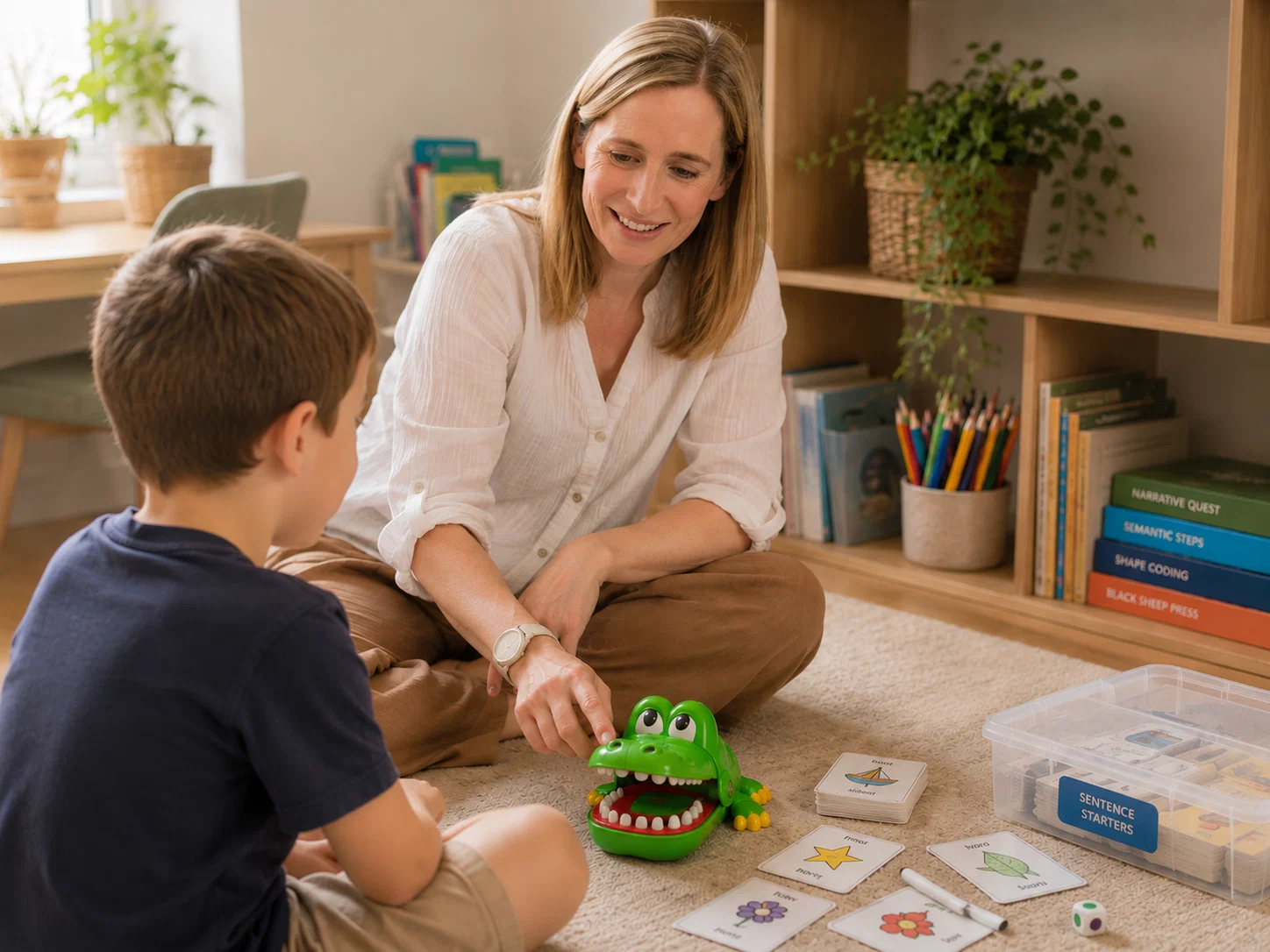
What happens during a therapy session?
A typical therapy appointment lasts around 45 minutes.
This will usually include approximately:
- 30 minutes of direct therapy with your child
- 15 minutes for feedback and liaison, giving us time to discuss progress, explain activities and consider how strategies can be used between sessions
Exactly how the appointment is structured will vary according to your child’s age, needs and the work we are doing.
Therapy continues beyond the appointment
The time I spend directly with your child is only one part of the therapy process.
Following each session, I review how your child has responded, record relevant clinical information and use this to plan what should happen next. This may include adapting therapy activities, preparing tailored resources or considering whether targets or approaches need to change.
This professional work outside the appointment is an important part of providing therapy that remains focused on your child’s progress.
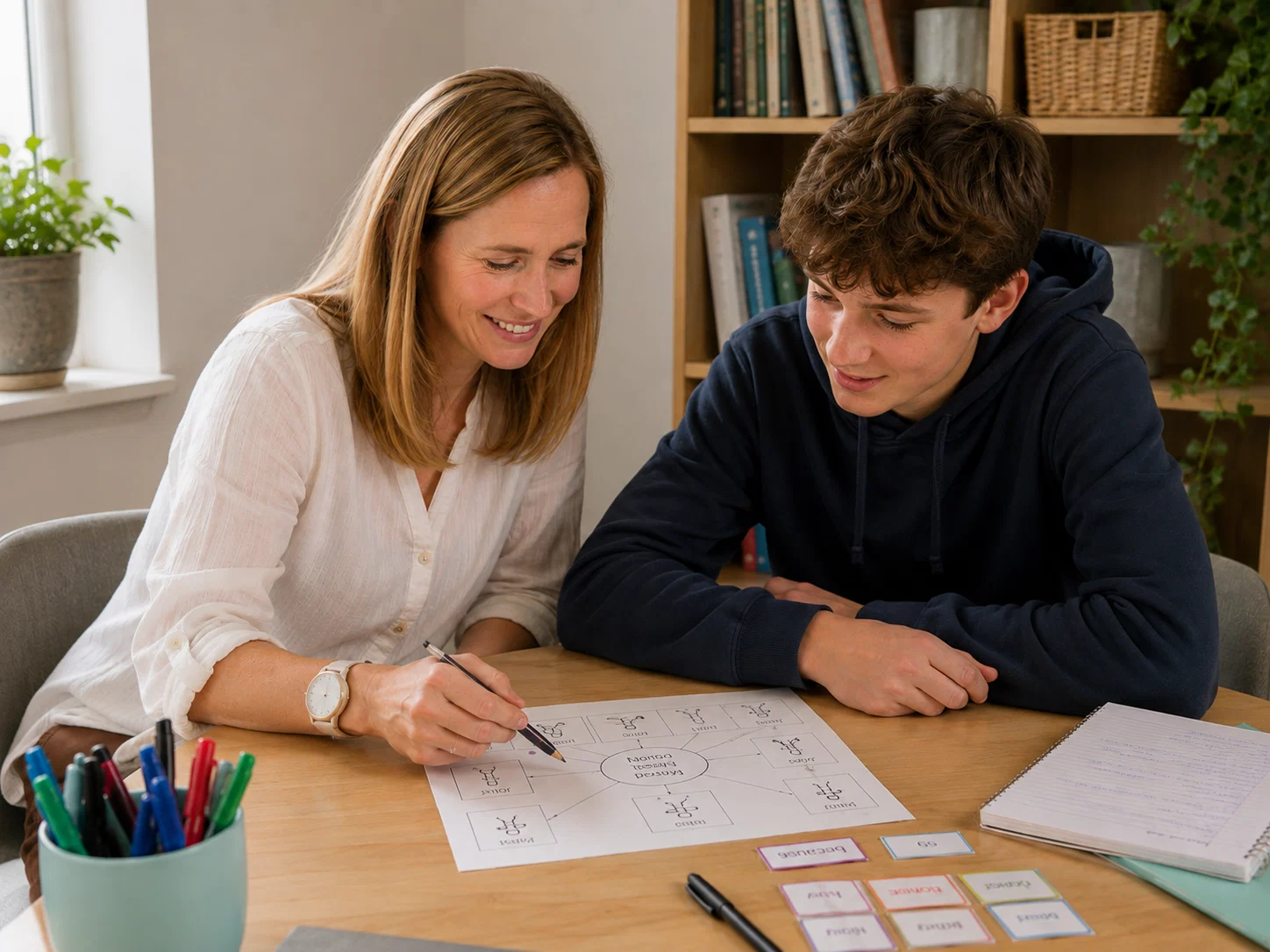
Working together
Supporting communication beyond the session
Children have many more opportunities to communicate at home, nursery and school than they could ever have within a therapy session.
For this reason, helping the adults around your child understand what we are working on — and how they can support it — is an important part of therapy.
- activities or ideas to practise between sessions
- practical strategies for everyday situations
- resources to use at home or school
- liaison with nursery or school staff
- helping adults recognise and support the communication skills we are developing
The aim isn’t to turn everyday life into therapy, but to create opportunities for your child to use and develop their skills beyond our sessions together.
Reviewing progress
Therapy isn’t simply a programme to work through.
I regularly reflect on how your child is responding and whether the approach we are using is helping. Therapy activities, targets or the frequency of sessions may be adapted as your child progresses.
There may also be times when a break from direct therapy, a period of supported practice or review at a later date is more appropriate than continuing regular sessions.
How much does therapy cost?
Therapy fees reflect the appointment and the professional work around it.
Therapy fees reflect both the appointment and the professional work involved in reviewing, recording and planning your child’s intervention.
You can find information about therapy fees, what is included and any applicable travel charges on the Fees page.